

Cultural impact of gambling in modern society
June 9, 2026Cultural impact of gambling in modern society
The Evolution of Gambling in Society
Gambling has been an integral part of human culture for centuries, tracing its roots back to ancient civilizations. In many societies, gambling was often connected to rituals, celebrations, and social gatherings. Today, engaging in this activity has transitioned from physical venues to digital platforms, like AuBet888, allowing for greater access and participation while adapting to evolving norms.
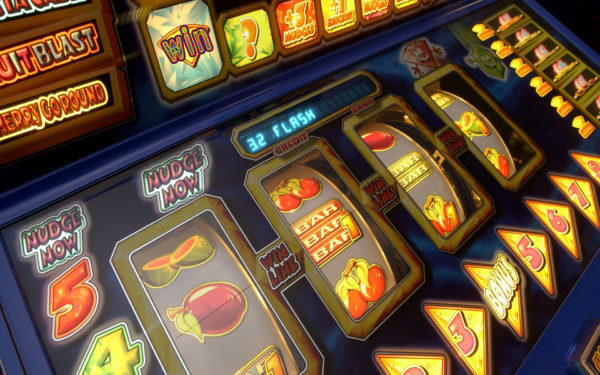
The current evolution of gambling reflects broader cultural shifts towards technology and entertainment. Online casinos and mobile applications have made it easier for people to engage in gambling, blurring the lines between gaming and traditional wagering. This transformation has made gambling more mainstream, attracting a diverse demographic ranging from casual players to serious gamblers.
Moreover, the normalization of gambling in popular culture, such as movies and television, has played a significant role in shaping public perceptions. The portrayal of gambling as an exciting and glamorous activity can entice individuals to participate, often overlooking the potential risks and consequences involved. This cultural representation contributes to the growing acceptance of gambling in modern society.
Social Implications of Gambling
The social implications of gambling are vast and complex, influencing various facets of daily life. While many view gambling as a harmless form of entertainment, it can lead to significant negative consequences for individuals and communities. Problem gambling can escalate into addiction, affecting personal relationships, financial stability, and mental health. The social stigma attached to addiction often leads individuals to suffer in silence, exacerbating their struggles.
Communities also face challenges related to gambling establishments, including increased crime rates and a strain on local resources. When gambling venues flourish, they can attract a range of social issues, from increased traffic congestion to heightened demands on law enforcement. This impact can create divisions within communities, where some benefit economically from gambling while others grapple with its adverse effects.
The Psychological Impact of Gambling
The psychological impact of gambling can be profound, affecting individuals in varying ways. For many, gambling can provide an escape from reality, offering temporary relief from stress or boredom. This allure can lead to habitual gambling, where individuals chase losses in hopes of recovery, ultimately spiraling into addictive behaviors. Understanding the psychological components of gambling can help address the issues surrounding it.
The concept of risk versus reward is central to the gambling experience. The thrill of potentially winning can be intoxicating, stimulating the brain’s reward system. However, this excitement can quickly turn into obsession, leading to detrimental consequences for the gambler. As individuals develop a gambling addiction, their decision-making skills may diminish, often resulting in financial ruin and strained relationships.
Furthermore, the psychological toll extends beyond the gambler. Family members and friends may experience stress, anxiety, and confusion as they witness a loved one struggle with addiction. This ripple effect can create a cycle of emotional turmoil, highlighting the importance of support systems for individuals affected by gambling issues. Awareness and education on the psychological impacts are crucial for effective intervention and recovery.
The Economic Impact of Gambling
The economic implications of gambling are noteworthy, as it contributes significantly to national and local economies. Governments often regulate gambling, benefiting from the substantial revenue generated through taxes and licensing fees. These funds can be utilized to support public services, including healthcare, education, and infrastructure development, creating a direct link between gambling activities and societal welfare.
However, the economic benefits of gambling come with caveats. While it can generate employment and enhance local businesses, the costs associated with problem gambling can negate these advantages. Increased healthcare expenditures, social services, and law enforcement efforts can strain public budgets, forcing communities to grapple with the dual nature of gambling’s economic impact. A balanced approach is necessary to ensure that economic growth does not come at the expense of public health.
In many regions, gambling has become a significant driver of tourism, attracting visitors from around the world. Major events, such as poker tournaments and casino openings, boost the local economy, providing job opportunities and stimulating ancillary industries. The economic dynamics surrounding gambling demonstrate its complex role in modern society, calling for continuous assessment and strategic planning.

Conclusion: Navigating the Future of Gambling
As gambling becomes increasingly embedded in modern culture, navigating its complexities will be essential for individuals and societies alike. Understanding the multifaceted implications of gambling, from its social and psychological impacts to its economic effects, is crucial for responsible participation. Educational initiatives and responsible gambling measures are paramount in promoting healthy attitudes towards gambling activities.
Websites and platforms dedicated to responsible gambling are essential resources for individuals seeking guidance. These platforms often provide tools and information to help players recognize harmful behaviors and promote responsible gaming practices. By fostering a culture of awareness, individuals can enjoy the entertainment that gambling offers while minimizing the associated risks.
As the landscape of gambling continues to evolve, society must embrace a comprehensive approach that balances entertainment with responsibility. Engaging in informed discussions about gambling’s cultural impact can empower individuals to make conscious choices, ensuring a healthier relationship with this pervasive activity.
“`