

The historical evolution of gambling A journey through time with Betjee
April 6, 2026The historical evolution of gambling A journey through time with Betjee
Ancient Beginnings of Gambling
The roots of gambling stretch back thousands of years, with evidence of betting activities found in ancient civilizations such as Mesopotamia, China, and Rome. Archaeological findings reveal that early forms of dice, which date back to around 3000 BC, were used in games of chance. In these societies, gambling often intertwined with social and religious practices, establishing a complex relationship that persists even today. For those interested in modern options, Betjee live games provide a contemporary twist to this age-old activity.

As societies evolved, so did the forms of gambling. The Romans, for example, integrated betting into their entertainment, featuring games such as dice and betting on gladiatorial contests. This significant cultural shift laid the groundwork for future gambling practices, embedding the activity into the societal fabric of various civilizations.
The Medieval Era and Its Influence
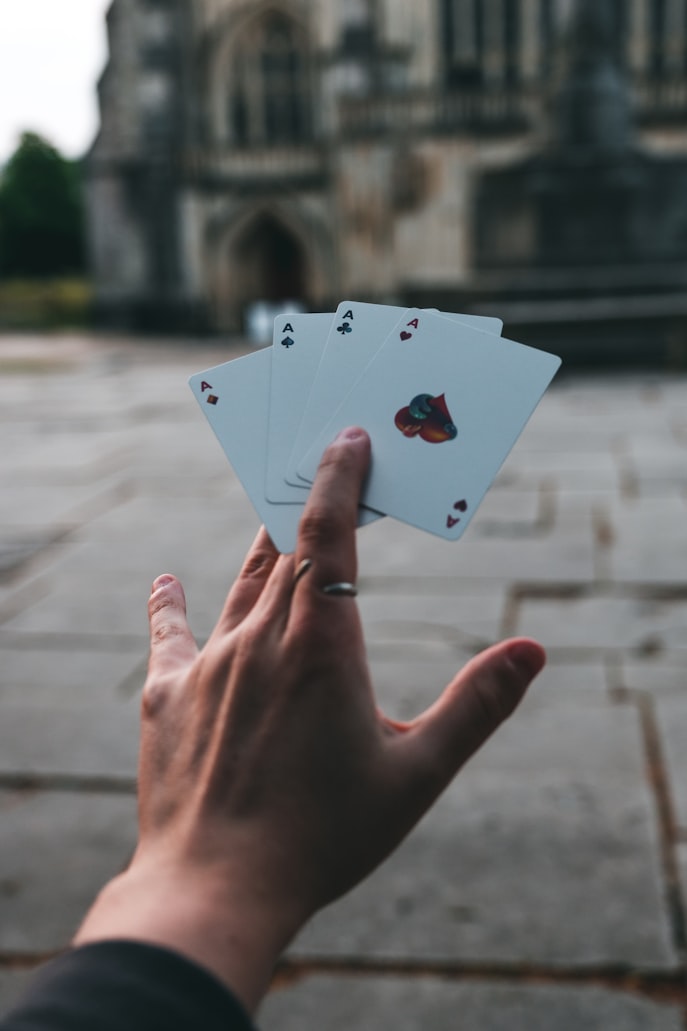
The medieval period marked a crucial turning point for gambling, especially in Europe. With the rise of casinos and structured games such as cards, gambling began to take on a more organized form. The invention of playing cards in the late 14th century provided a new avenue for betting enthusiasts, leading to the popularity of games like Poker and Blackjack.
During this era, gambling faced scrutiny from religious and political authorities, who viewed it as a vice. However, this did not deter its growth. Instead, underground betting establishments flourished, setting the stage for the development of regulated gambling practices in the future.
Modernization and Legalization
The 19th century witnessed a significant transformation in gambling practices worldwide. Legalization movements began to emerge, particularly in Europe and the United States. Governments recognized the potential for tax revenue and economic benefits, leading to the establishment of regulated gambling markets. This shift made gambling more accessible and contributed to its mainstream acceptance.
This period also saw the inception of major sports betting events, including horse racing, which became immensely popular. Betting on sports not only captivated audiences but also fostered the growth of dedicated betting organizations, setting the stage for modern sportsbooks.
The Digital Revolution of Gambling
The advent of the internet in the late 20th century brought unprecedented changes to the gambling landscape. Online casinos and betting platforms began to emerge, offering a wide array of options for players around the globe. This new medium allowed for anonymous betting and greater accessibility, appealing to a broader audience.
As technology advanced, mobile applications and live betting options became commonplace, providing users with real-time engagement. The digital revolution has reshaped how gambling is perceived and practiced, making it an integral part of contemporary entertainment.
Betjee: Shaping the Future of Gambling in Pakistan
Betjee has positioned itself as a leading online gambling platform tailored for Pakistani bettors, capitalizing on the growing interest in sports and casino betting. By providing a secure environment licensed in Curacao, Betjee prioritizes user safety and fair play, ensuring that bettors can enjoy their experience without concerns. Betjee Pakistan is a key player in this evolving market.
With features like local currency support, multiple payment methods, and a user-friendly mobile app, Betjee aims to cater to both novice and experienced players. The platform’s commitment to 24/7 customer support and generous bonuses further enhances the overall betting experience, making Betjee a significant player in the evolving landscape of gambling in Pakistan.